Living in the Sunset District: What Buyers Should Know About This Coastal San Francisco Neighborhood
Michelle Kim | March 19, 2026
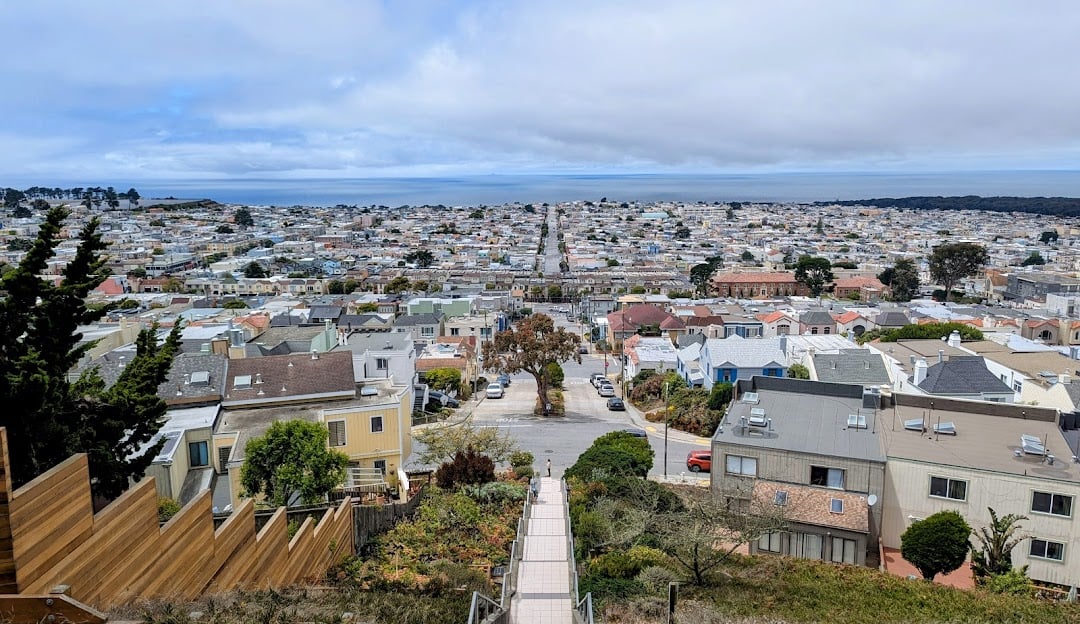
Michelle Kim | March 19, 2026
The Sunset District is one of the largest residential neighborhoods in San Francisco, offering a lifestyle that combines coastal living with the everyday conveniences of city life. Located along the western edge of the city near Ocean Beach and Golden Gate Park, the Sunset District continues to attract buyers who want space, neighborhood character, and long-term stability.
Understanding how the Sunset District functions as a residential area can help buyers determine whether this part of San Francisco aligns with their goals and lifestyle preferences.
Many buyers consider the Sunset District because it offers a quieter and more residential atmosphere compared to denser parts of San Francisco. Wide streets, consistent housing blocks, and proximity to parks make the neighborhood especially appealing for buyers seeking a long-term home.
Living in the Sunset District also means access to some of San Francisco’s most recognizable outdoor destinations. Residents are just minutes from Golden Gate Park, the Pacific Ocean, and scenic coastal trails. This access to open space is one of the reasons the Sunset District continues to attract buyers who value outdoor recreation and everyday livability.
Housing Styles in the Sunset District
Real estate in the Sunset District consists primarily of single-family homes, along with a smaller number of condominiums and multi-unit properties. Many homes were built during San Francisco’s westward expansion and feature classic architectural elements that remain popular with buyers today.
Because the Sunset District is such a large neighborhood, housing styles and prices can vary depending on location. Buyers exploring Sunset District homes for sale may notice differences between Inner Sunset and Outer Sunset properties, particularly when it comes to walkability and proximity to transit.
Understanding these distinctions can help buyers navigate the Sunset District real estate market more effectively.
Lifestyle and Community in the Sunset District
The Sunset District has developed a strong neighborhood identity over the years. Residents enjoy access to local restaurants, small businesses, neighborhood parks, and community spaces that contribute to the area’s everyday convenience.
Commercial corridors such as Irving Street and Judah Street provide shopping, dining, and local services that support daily life in the Sunset District. The neighborhood also benefits from transit access that connects residents to downtown San Francisco and other parts of the city.
For many buyers, this combination of residential calm and city connectivity is what makes the Sunset District a compelling place to live.
The Sunset District tends to attract buyers who want a coastal San Francisco lifestyle while still maintaining access to the city’s employment centers, parks, and cultural destinations.
If you are considering purchasing a home in the Sunset District, understanding how this neighborhood fits into the broader San Francisco real estate landscape can help guide your decision.
The Mosaik Real Estate team can provide insight into current market conditions and help you explore available homes in the Sunset District.
Contact the Mosaik Real Estate team today to start exploring homes in San Francisco’s Sunset District.
Stay up to date on the latest real estate trends.
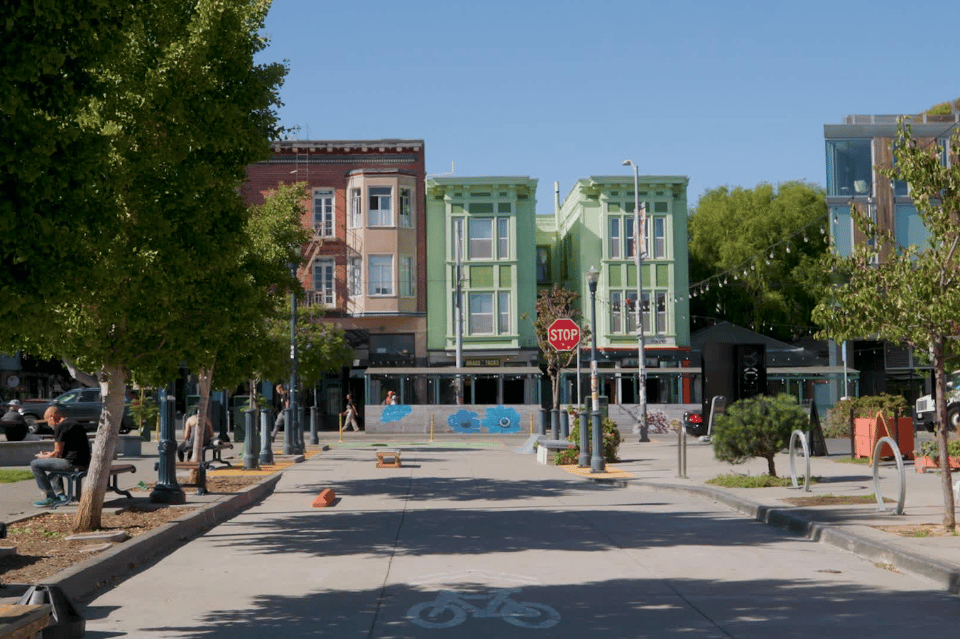
Michelle Kim | November 18, 2026
Discover life in Hayes Valley, from independent boutiques and acclaimed restaurants along Hayes Street to Patricia’s Green, cultural attractions, and the neighborhood’… Read more
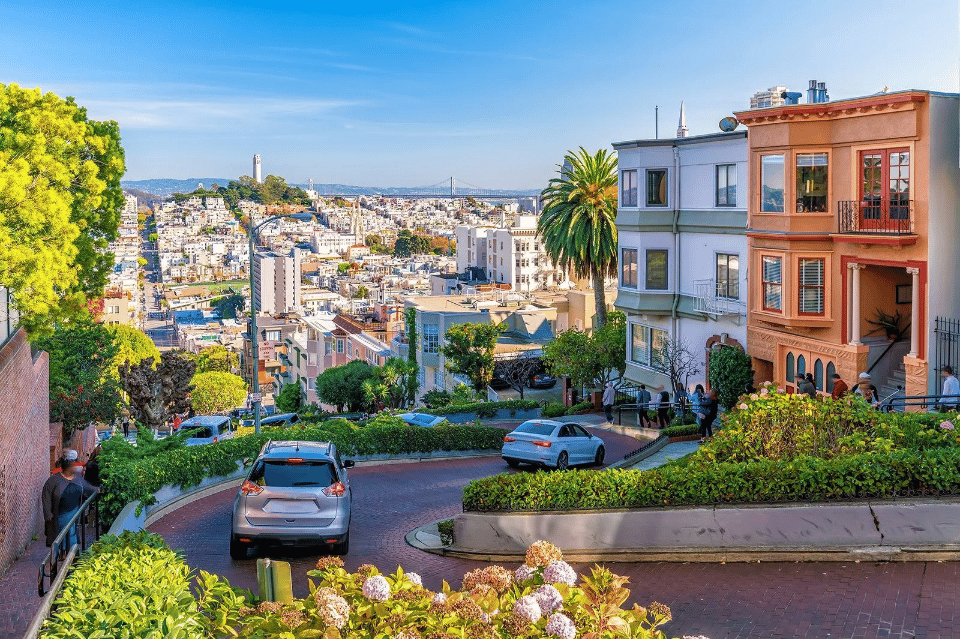
Michelle Kim | November 6, 2026
Discover life in Russian Hill, from historic architecture and iconic Lombard Street to panoramic Bay views, neighborhood cafés, and scenic city walks.

Michelle Kim | November 1, 2026
Quick Take: Median home sale prices have declined for the third straight month, slipping to $417,500 in September, though they remain slightly above where they were a … Read more

Michelle Kim | November 1, 2026
Quick Take: Median single-family prices climbed year over year in three of four counties, led by Sonoma County at 7.79% growth, while Solano County slipped 5.74%. Inve… Read more

Michelle Kim | November 1, 2026
Quick Take: Single-family prices are holding roughly flat year over year, with Alameda County at $1,250,000 and Contra Costa County at $850,500, both easing modestly f… Read more

Michelle Kim | November 1, 2026
You’ve got questions and we can’t wait to answer them.